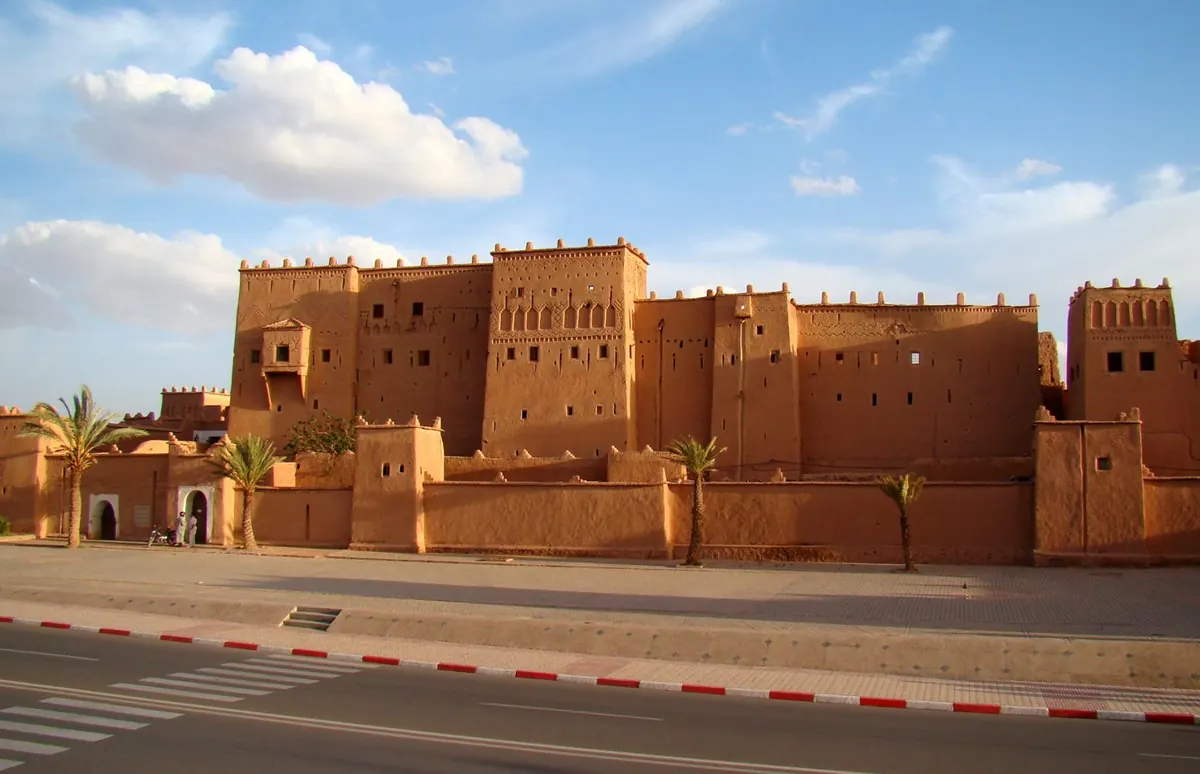
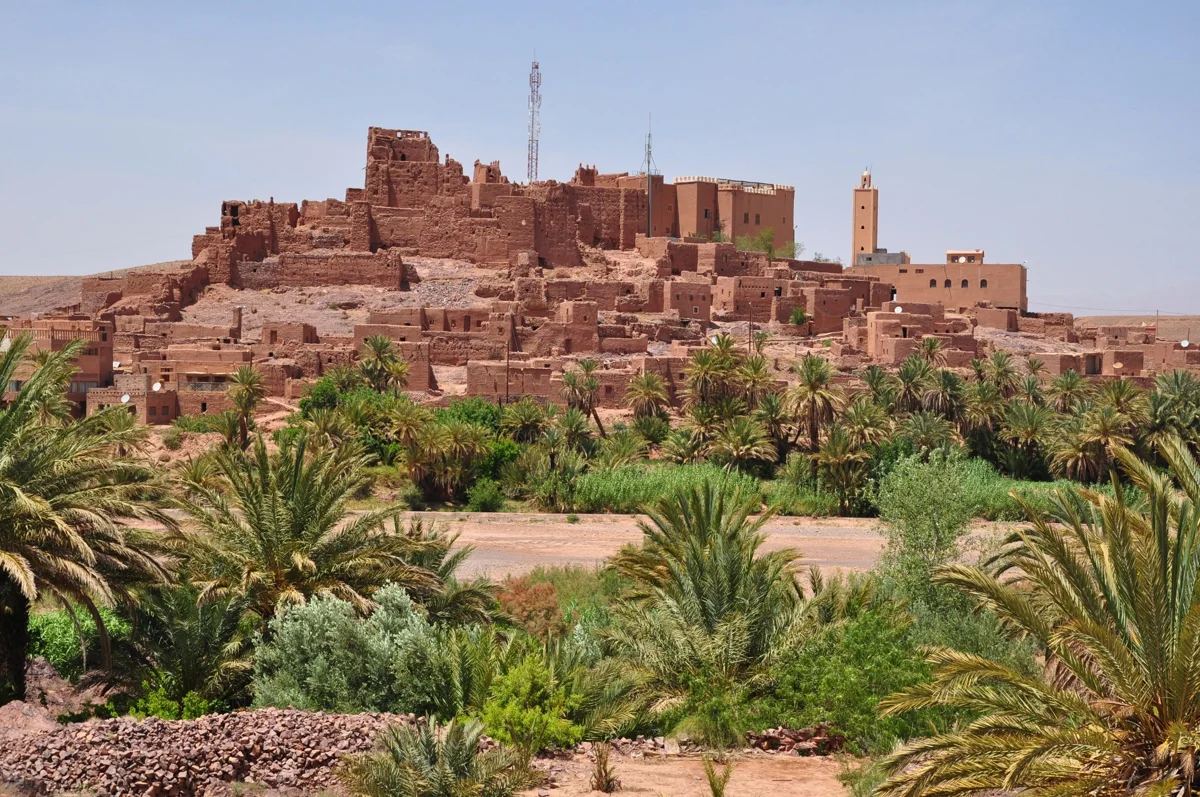
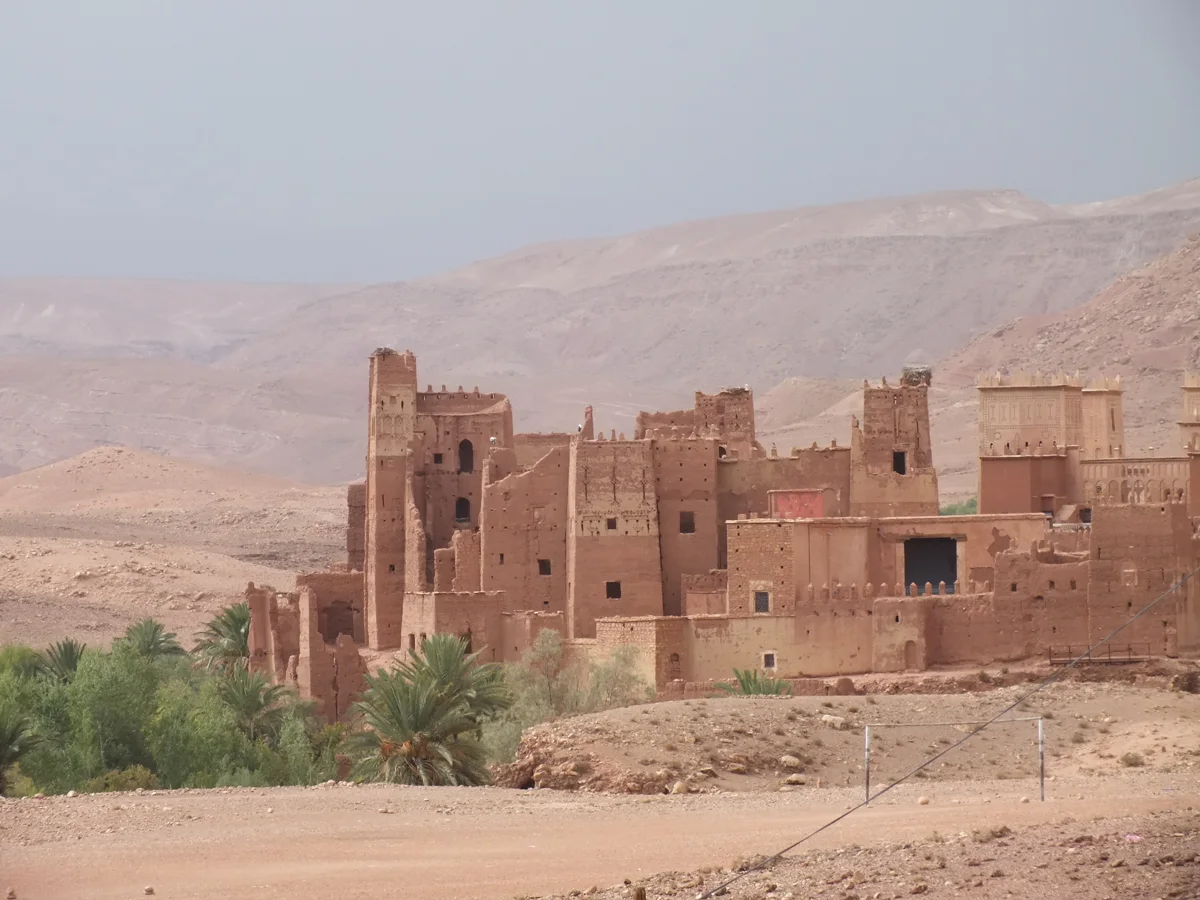
Why make a stop for a storehouse?
Spend a morning around Taourirt in Ouarzazate and the region’s earthen architecture can look like a story about grand residences. The granary at Ighrem N’Ougdal asks a different question: how did neighbours protect what they needed between harvests? Discover Ouarzazate identifies it as a fortified collective granary on a steep site. The building gives a mountain journey a purpose beyond getting from one town to another. Start with the destination guide and allow enough time to observe how the structure sits in the landscape.
One building, many households
The tourism office describes individual storage compartments and common areas maintained collectively. Think of the difference between the door to a family’s compartment and the entrance everyone had to use. A small space could belong to one household while keeping the building secure depended on cooperation. Ask your guide what is documented about storage and upkeep at this site, and what they know from oral accounts. A story from a different Atlas granary can be illuminating, but rules and uses should not automatically be transferred from one village to another.
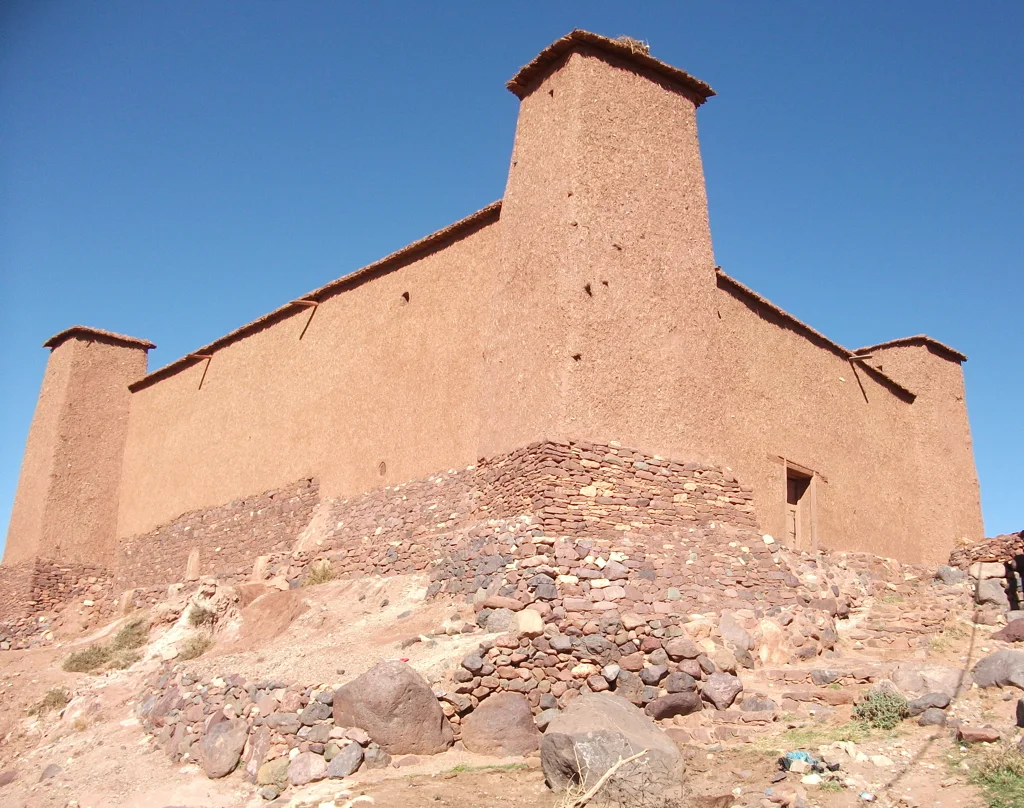
Read the outside before asking to go in
Look from an agreed public viewpoint and trace the outline of the enclosing walls. Notice the relationship between the slope, the towers and the line a visitor would have to follow. Then change your scale: what does the size of an opening suggest about light or visibility? What can you actually see of the entrance? Keep observations separate from guesses, especially when a feature is partly hidden. The archival photograph helps you recognise the building; it cannot tell you whether a path or an interior room is usable now.
Arrange a visit from Ouarzazate
Give your driver or guide the full name of the granary and agree on a meeting point, rather than assuming a pin marks a visitor gate. Ask who can confirm access, which portions are open, how far you must walk and what the surface is like. Mention any difficulty with steps or uneven ground. Confirm the return journey, a meal stop and a reasonable margin for road conditions. If interior access cannot be confirmed, plan an exterior visit only where there is a suitable permitted viewpoint. Do not enter damaged or closed spaces. Use the trip planner to compare a dedicated stop with a longer day in the Atlas.
Compare buildings by the jobs they did
On a separate outing, the ksar of Aït Benhaddou offers a useful comparison. UNESCO’s conservation account describes a fortified settlement with homes and storage and identifies a community granary at the top of the rock. That is a different setting from a visit centred on the Ighrem N’Ougdal storehouse. Notice where each place puts housing, circulation and protection. If you also want Telouet, verify access and road conditions independently. Do not try to fit all three into a day simply because they appear close together on a map.
Take home an observation, not just a photo
Write down one detail you saw, one explanation you heard and one question you still have. Ask before photographing people or stepping into private space. If the visit stays outside, the relationship between the slope, the defensive outline and the village setting is still worth your attention. Historical background: Discover Ouarzazate’s Ighrem N’Ougdal destination profile and UNESCO’s conservation account for Aït Benhaddou. These sources describe heritage; they do not establish opening hours or permission to enter today.
References: https://discoverouarzazate.com/destinations/le-grenier-dighrem-nogdal/ · https://whc.unesco.org/fr/activites/772/ · https://commons.wikimedia.org/wiki/File:Agadir-Igherm-n%27Ougdal.JPG · https://creativecommons.org/publicdomain/zero/1.0/
Updated: