Gateway to Morocco’s cinema country

Ouarzazate · Drâa-Tafilalet
Sign in
AT THE TABLE IN OUARZAZATE

Food in
Ouarzazate.ⵓⵛⵛⵉ ⴳ ⵡⴰⵔⵣⴰⵣⴰⵜ

Warm bread, a slowly cooked tagine, and tea that gives you a reason to linger. Get to know Ouarzazate through the food served in its homes, restaurants and surrounding villages.

Moroccan & Amazigh cookingCity, oases & valleys
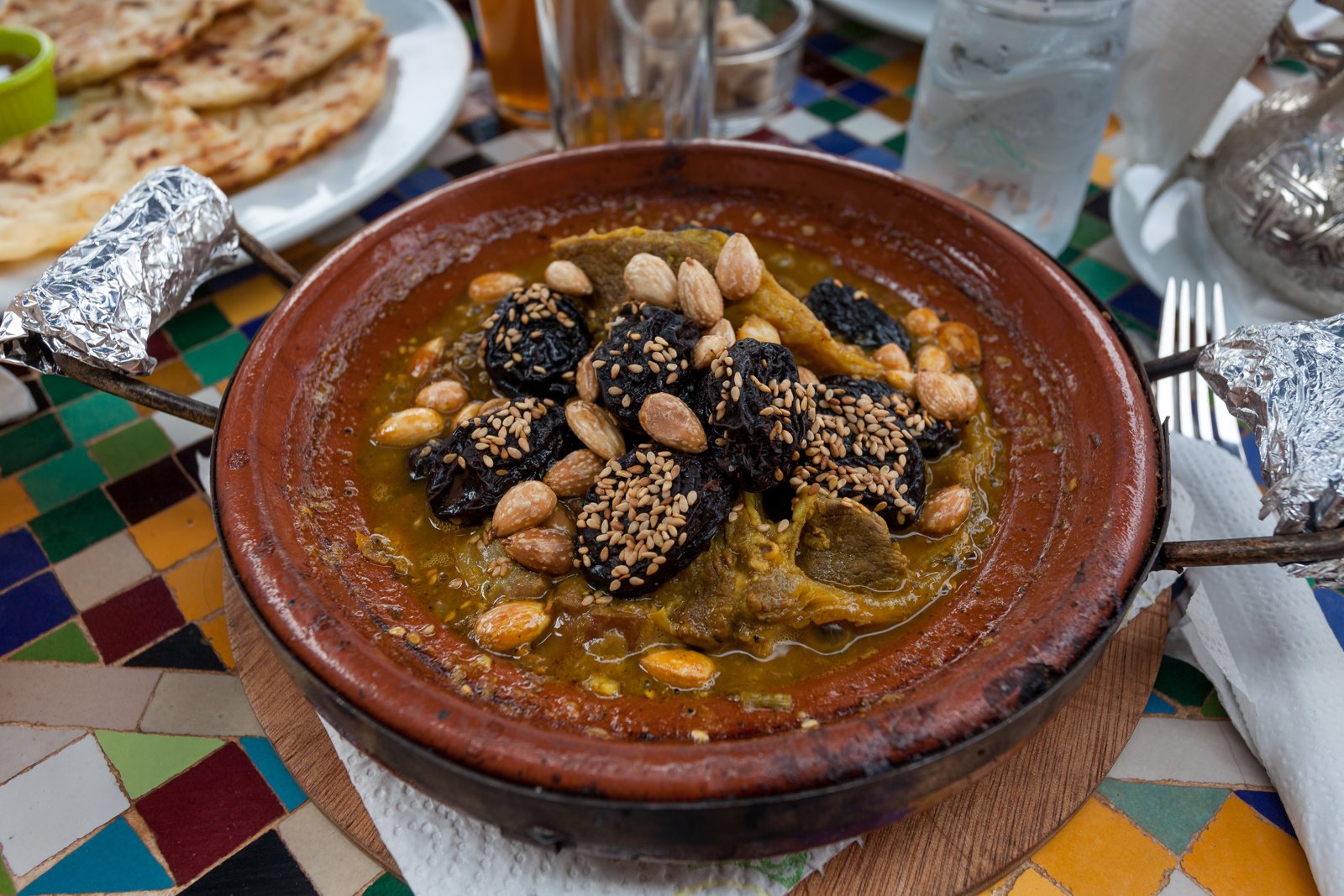
Moroccan meat tajine.
A LIVING FOOD CULTURE

From an Atlas oven
to an oasis table.

Ouarzazate’s regional tourism guide highlights Amazigh tagine and two bread traditions: tafarnout and tanourt. They offer a starting point for conversations about the oven, ingredients and family recipes behind a meal.

You will also find dishes shared across Morocco. Couscous, mint tea and pastilla are part of that wider culinary story. Let your host explain what is particular to their kitchen, rather than expecting every dish to be unique to the city.

YOUR FIRST ORDERS

Six ways to taste Ouarzazate

Start with the day’s cooking. Ask about ingredients, take time over the meal, and leave room for tea.

01
A regional starting point

Amazigh tagine

Slow cooking brings meat or vegetables together with olive oil, onion and spices. The regional tourism guide describes lamb, veal, chicken and vegetable versions inspired by Atlas cooking. Ask which tagine the kitchen is preparing today.

At the table

Order with bread, and check whether the vegetables are cooked in meat stock.

02
A meal to share

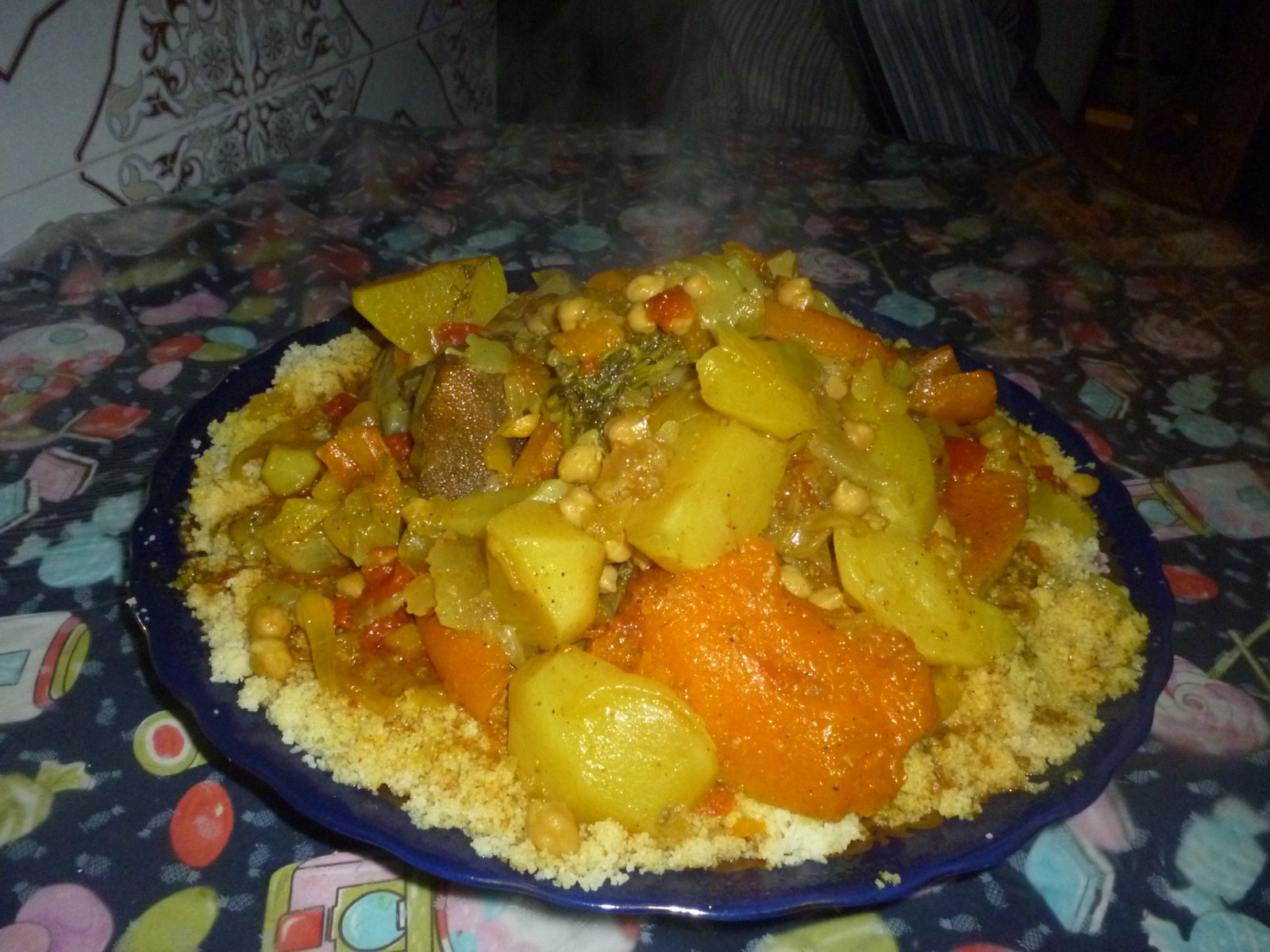
Couscous

Steamed grains, vegetables and broth make couscous a generous shared meal. Meat and chicken versions are common; the recipe changes with the cook. Friday is the traditional couscous day in Morocco, so ask your host ahead of time if you want to join that rhythm.

At the table

Confirm the serving size and whether broth and meat are separate.

03
A Moroccan classic

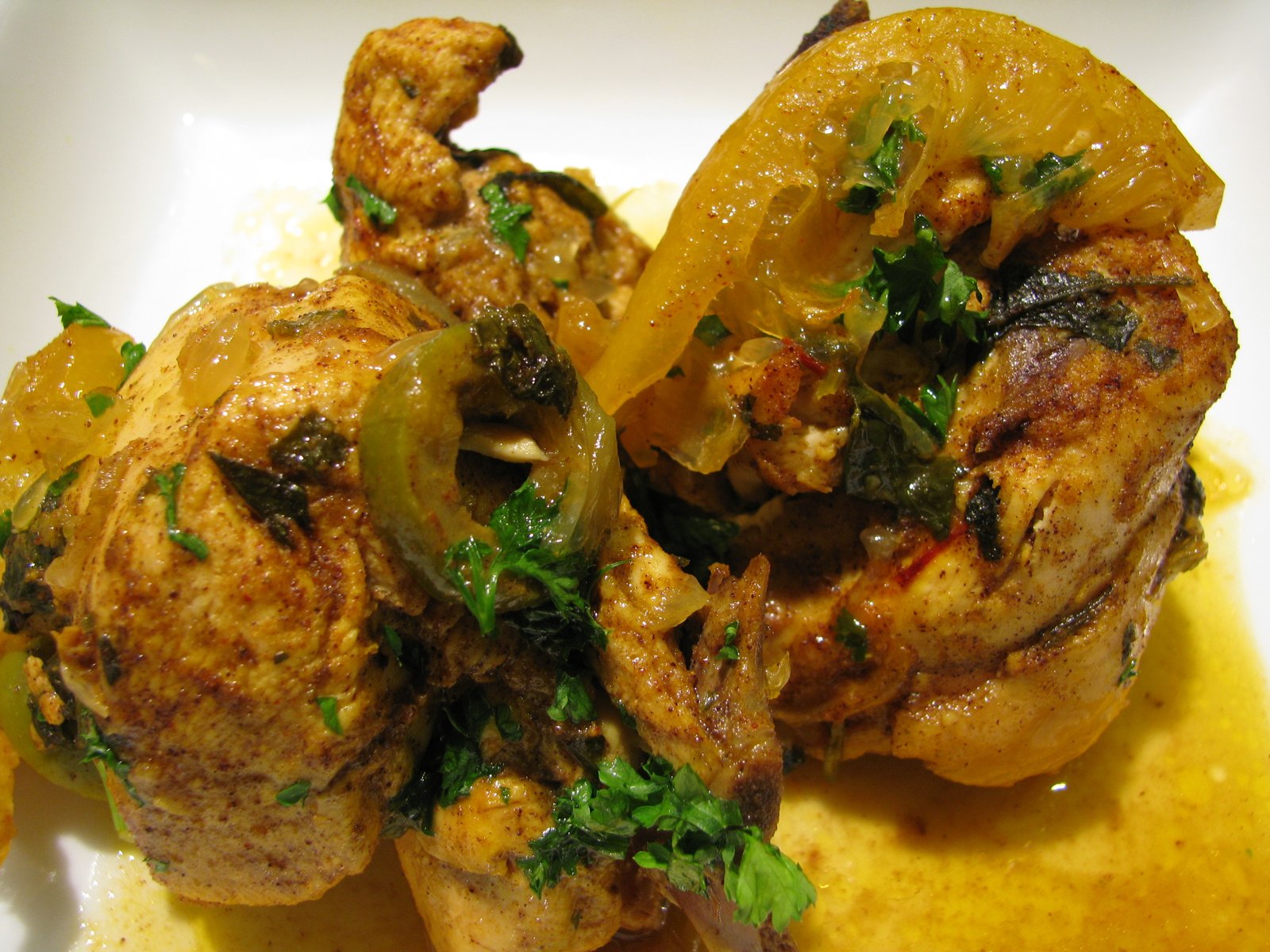
Chicken, olives & preserved lemon

This tagine pairs chicken with olives and preserved lemon. Riad Ouarzazate includes it in its suggested Moroccan meal, alongside soup or salad and a sweet finish. It is a useful first order when you want to explore the familiar flavours of a local table.

At the table

Allow time for preparation rather than planning a rushed stop.

04
Start with something smaller

Harira & Moroccan salads

Harira is a Moroccan soup with many household variations. A salad or a bowl of soup can be a gentle introduction before a larger dish. Ask what is in the soup: a vegetable-looking starter can still contain meat, stock or flour.

At the table

Ask for the day’s starters rather than assuming every menu item is available.

05
For a longer lunch or dinner

Pastilla, grills & méchoui

Pastilla combines a pastry shell with a savoury filling; some versions bring sweetness into the same bite. Riad Ouarzazate also lists grilled skewers and méchoui among its dishes. Ask what is available that day and whether larger dishes need advance notice.

At the table

Check fillings and portion sizes before ordering for a group.

06
Stay for the conversation

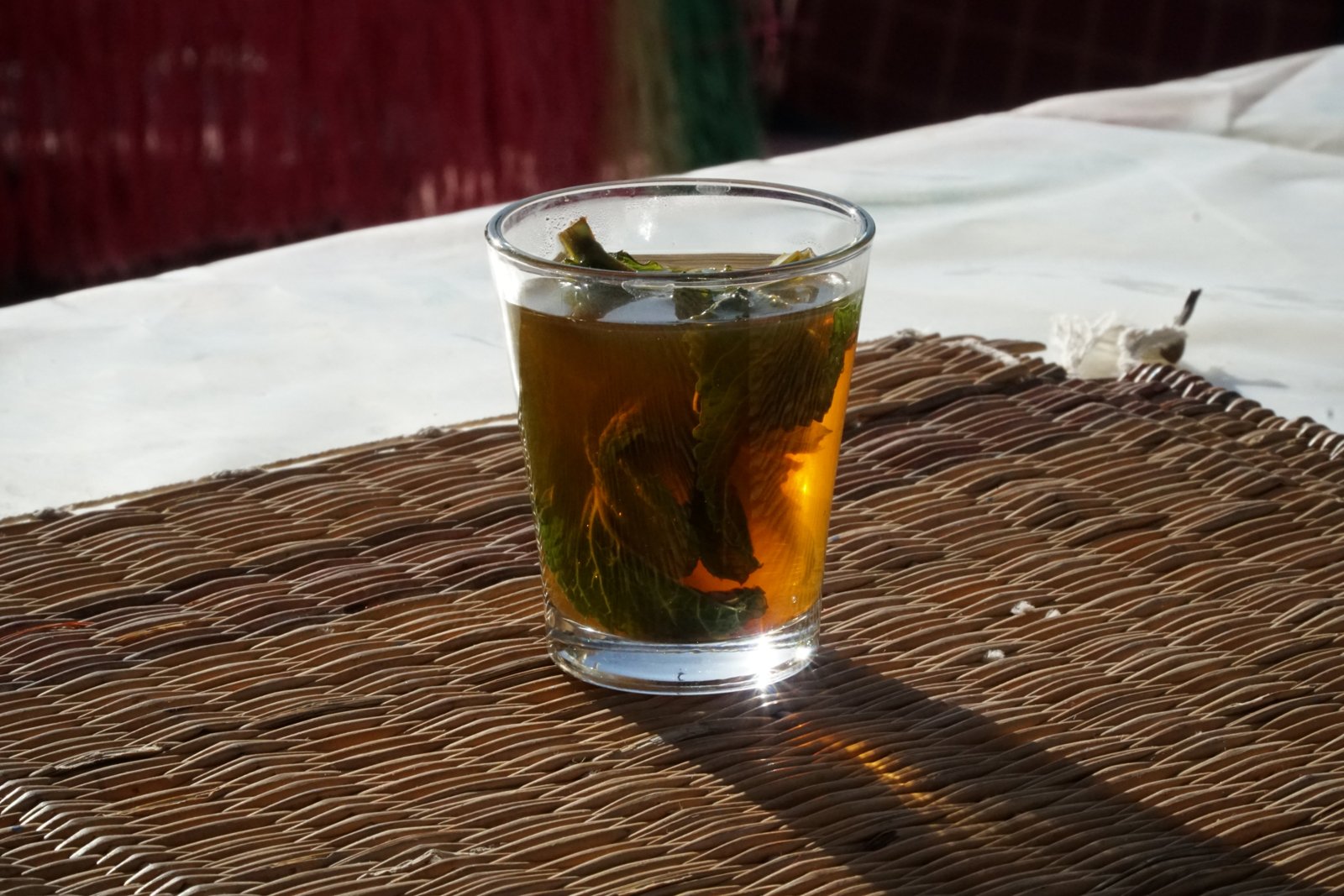
Mint tea & something sweet

Moroccan mint tea is usually made with green tea and fresh mint. It is part of welcoming guests and sharing a pause. Chebakia, the honeyed pastry associated with Ramadan, is one of Morocco’s well-known sweets; availability depends on the bakery and season.

At the table

Request less sugar before the pot is prepared, and ask about nuts in pastries.

Moroccan couscous with vegetables.
Chicken tagine with preserved lemons and olives; served on a plate.
Glass of mint tea on a woven mat.
THE BREAD OF THE SOUTH

Ask about the oven.

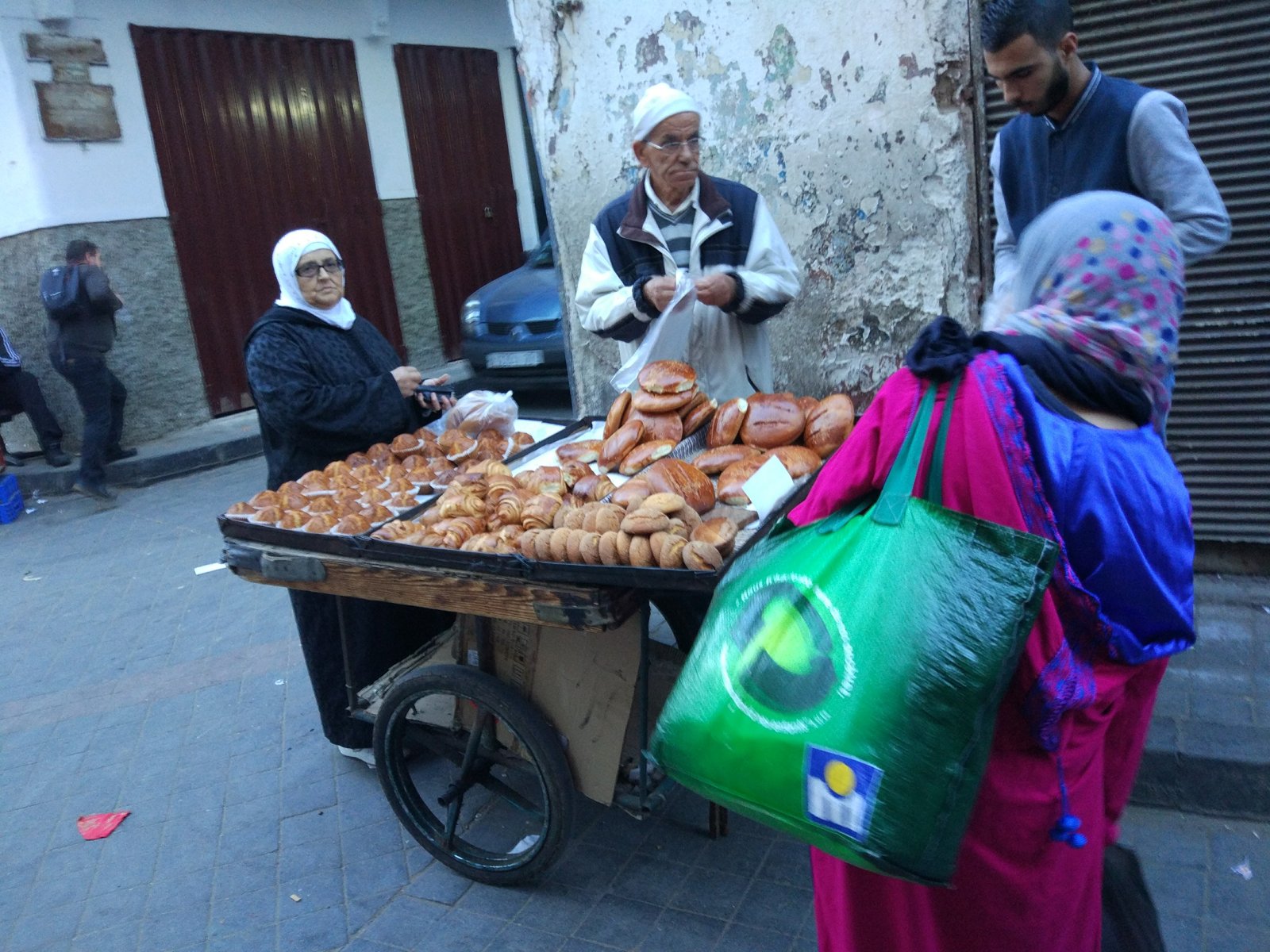
Bread belongs beside the main dish as much as it belongs at breakfast. These two regional traditions are worth asking a host or baker about.

Tafarnout

Named after its traditional oven, tafarnout is baked with wood or charcoal heat, sometimes on rounded pebbles. The regional guide pairs it with tagines, or with tea, olive oil, butter, honey or amlou. Ask whether a host prepares it locally and whether you can watch with permission.

Tanourt

A flatbread cooked against the inner wall of a hot, upright clay oven called a tanour. The method is as interesting as the bread itself: ask a local host to explain it, and arrange any demonstration in advance.

Bread and bakery vendor at a street cart with customers.
FOLLOW THE INGREDIENTS

The wider south, in your basket

Ask where a product comes from. The surrounding valleys and the wider southern region have different specialities.

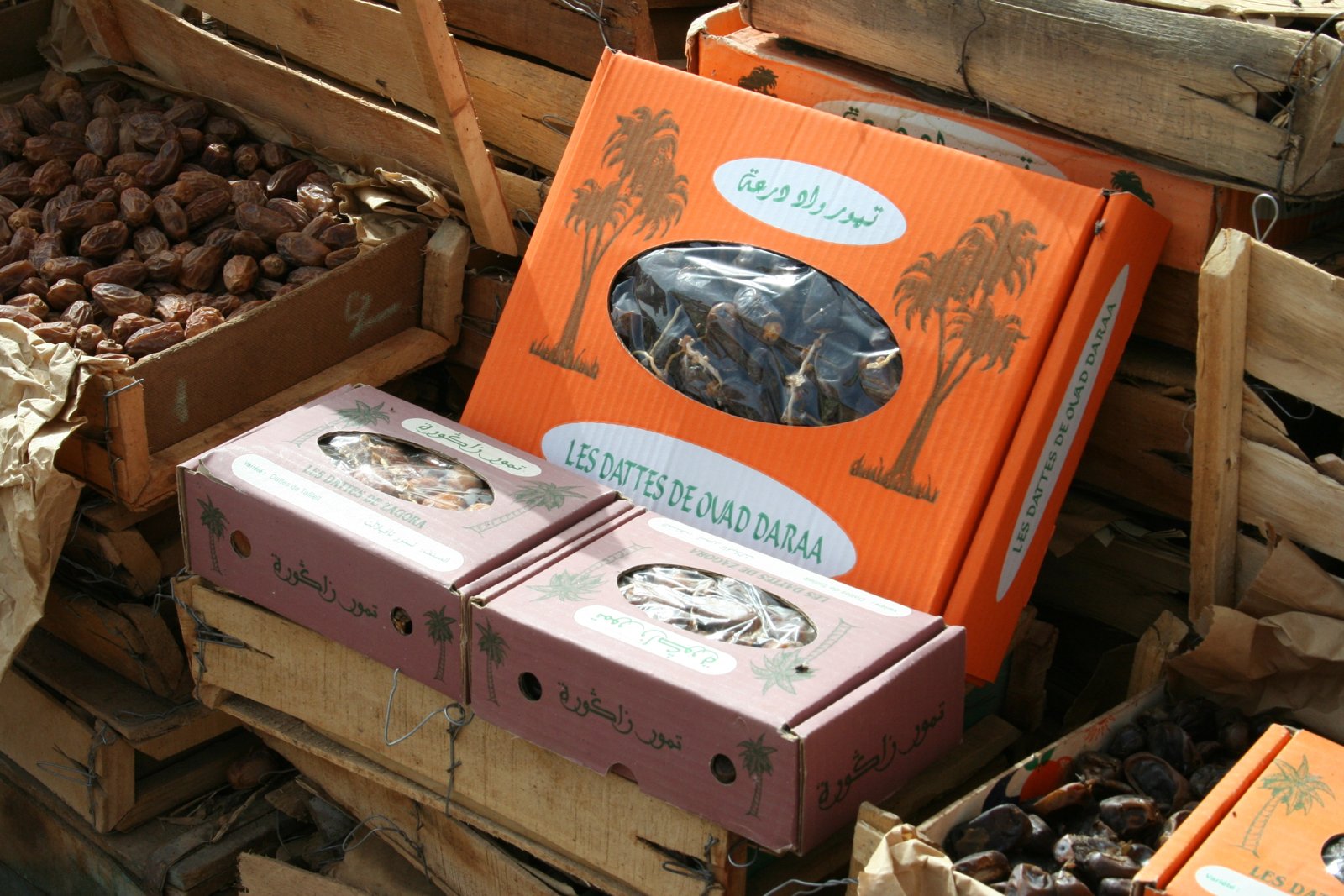
Dates in boxes and sacks at a Draa Valley market.

Dates from the Drâa

The Drâa’s date-growing heritage connects the palm landscape with the food you can buy. Ask the seller for the variety, growing area, weight and price. A clearly labelled pack is easier to take home than an unidentified mixed bag.

Saffron from Taliouine

Taliouine, in the wider southern region rather than Ouarzazate city, is a recognised saffron-producing area. Look for the producer’s name and origin, and ask to see the threads before purchasing.

Rose products from Kelaat M’Gouna

The Rose Valley is associated with rose growing and rose water. If you want an ingredient for cooking, choose a product explicitly labelled for food use. A cosmetic rose product is a different purchase.

Explore the Rose Valley

Olive oil, honey & spices

Ask about the producer, harvest or packing date, storage and intended use. Buy what you will enjoy using, and keep liquids sealed for the journey. Check your destination’s food-import rules before taking products home.

Discover local products
PLAN A MEAL AROUND YOUR VISIT

City tables. Cinema lunches.
Valley kitchens.

These are places with published dining information, not a ranking. Contact each venue for its current menu, prices, opening times and whether non-resident guests can dine.

Ouarzazate city

Riad Ouarzazate

Its own restaurant page presents Moroccan dishes including couscous, tagines, grills and pastilla, with dining on a terrace or indoors. A city option to contact for a planned meal.

Atlas Studios area

Wall of Fame · Oscar Hotel

The hotel’s restaurant serves Moroccan and international dishes in a cinema-themed setting. Pair a confirmed meal with your Atlas Studios visit rather than travelling back to the centre between stops.

Asfalou · near Aït Benhaddou

Ksar Ighnda

The property describes Atlas-influenced cooking, garden herbs and vegetables, and regional produce. It also advertises bread-making and cookery classes; enquire directly about dates and access for outside guests.

A hosted meal in Fint or Skoura

Make the meal part of an arranged visit. Contact a guesthouse, host or guide in advance and agree the menu, time, total price and number of guests. A village is a living community: arriving at someone’s home does not mean a meal or kitchen visit is available.

A SUGGESTED CITY DAY

Leave space
for a good lunch.

Use this as a flexible plan, with transport and meal service confirmed separately.

Explore our local-table experience
  1. Morning

    Bread, tea and a slow start

    Ask your accommodation about its breakfast and bread. Browse ingredients with a local contact if you would like help understanding what is sold.

  2. Late morning

    Taourirt & the Cinema Museum

    Keep these nearby city visits together, then take a lunch break. Read the Taourirt guide.

  3. Lunch

    Choose the day’s tagine or couscous

    Agree the serving size, accompaniments and price. Allow a relaxed meal break instead of squeezing it between distant stops.

  4. Afternoon or evening

    Tea, or an arranged cooking experience

    For hands-on cooking, ask the provider about the class language, ingredients, meal inclusion and duration. Request confirmation before planning around it.

A LITTLE PREPARATION

Feel at home at the table

Ask for a clear total

Check whether a price is per person or per dish, and whether bread, drinks and service are included. For a group or hosted meal, agree the total before confirming.

Explain dietary needs early

Tell the kitchen about allergies and intolerances before ordering. Ask about stock, butter, flour, nuts and shared preparation equipment. “Vegetable” alone does not establish how a dish was made.

Follow your host’s lead

At a shared meal, ask how your host prefers to serve. Accepting tea is a chance to pause; you can request a smaller glass or less sugar. Ask permission before photographing people or a private kitchen.

Confirm the kitchen’s timing

Opening times and meal service can change, including during Ramadan. Check directly before travelling for a meal. Remote village lunches and cooking sessions should be arranged ahead.

Common questions

Can I find vegetarian food?

Ask for a vegetable tagine, suitable salads or couscous prepared without meat. Confirm the broth and cooking method with the kitchen; the menu title is only the starting point.

Do I need to book a meal or cookery class?

A planned group lunch, guesthouse meal or class is best arranged ahead. Contact the provider with your date, party size, language and dietary needs. Wait for confirmation of the menu and full price.

Are these photographs from the restaurants listed here?

No. These photographs illustrate Moroccan food traditions and markets. They do not show a restaurant’s current menu.

Is lunch included in a tour?

Only when the confirmed programme explicitly includes it. Check meal, drinks, dietary arrangements and any extra charges with the operator.