Ouarzazate rewards the photographer who slows down. Earthen walls reveal their texture as the light moves; palms introduce a softer rhythm into rocky landscapes; a doorway can tell a more interesting story than another distant panorama. You do not need professional equipment to make memorable photographs here. You need a clear subject, time to observe and an itinerary that leaves you in the right place when you want to be there.
Think of this as a guide to building a photographic day, rather than a checklist of exact camera positions. Start with Ouarzazate’s places to visit, choose the landscape you most want to photograph, and keep a second location optional. The strongest collection often comes from exploring one place carefully.
Taourirt: look for texture before the wide view
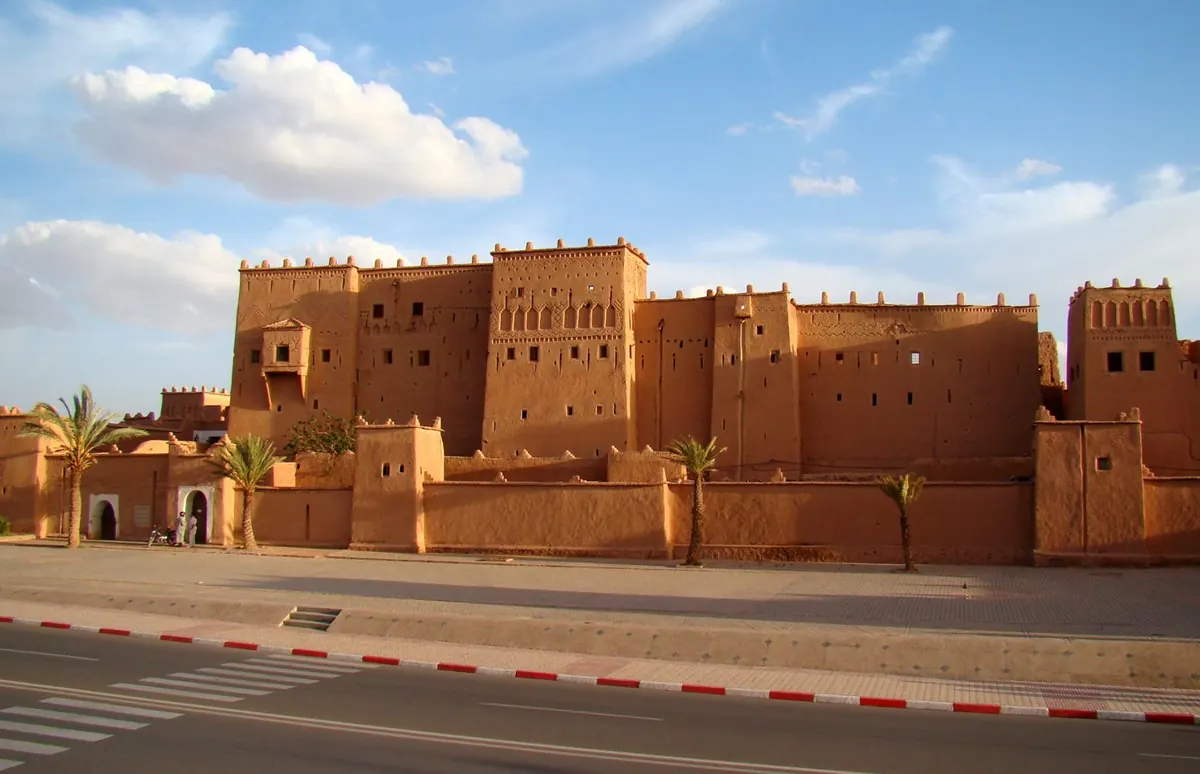
Begin around Taourirt Kasbah, where the earthen towers give you a recognisable city subject. Make one establishing photograph, then look for smaller relationships: a sunlit edge against shadow, geometric decoration above an opening, or the contrast between a wall and the sky. Move your feet before reaching for digital zoom. A slightly different position can remove a distracting vehicle or sign without changing the scene.
Try a wide composition and a close detail from the same public viewpoint. Together they show both the building’s presence and the material that gives it character. Interior photographs depend on the rooms currently open and the rules of the visit; ask your guide before using a tripod or flash.
Aït Benhaddou: give the settlement a setting
At Aït Benhaddou, resist filling every frame with towers. Leave room for the Ounila Valley landscape so the settlement has context. UNESCO identifies the site as a ksar: a collective fortified settlement, rather than one isolated kasbah. That distinction can shape your photographs, encouraging you to look at the relationships between buildings, lanes and shared spaces.
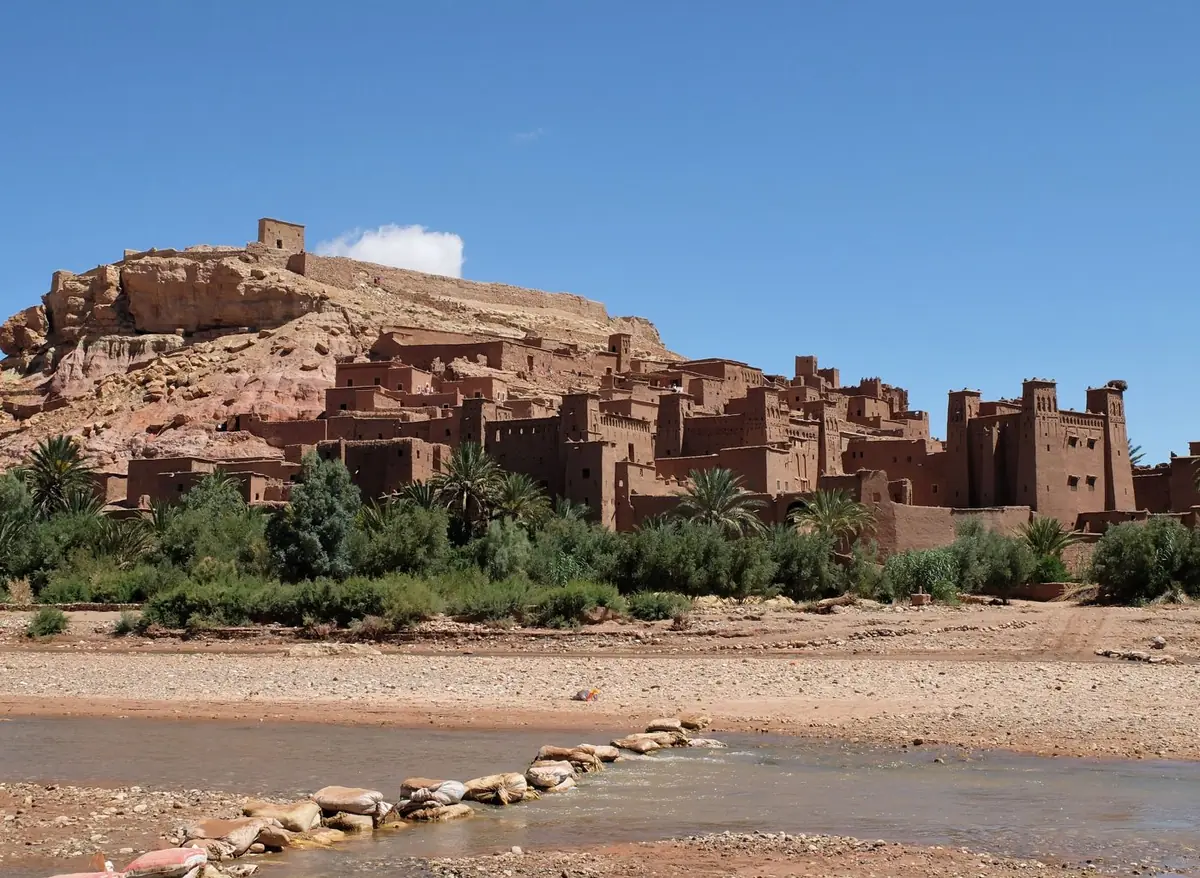
For a balanced sequence, make a landscape photograph, an architectural detail and a quieter frame from an authorised walking route. Keep private doorways clear and ask before photographing residents. A respectful conversation matters more than obtaining a particular portrait.
Fint Oasis: work with the contrast
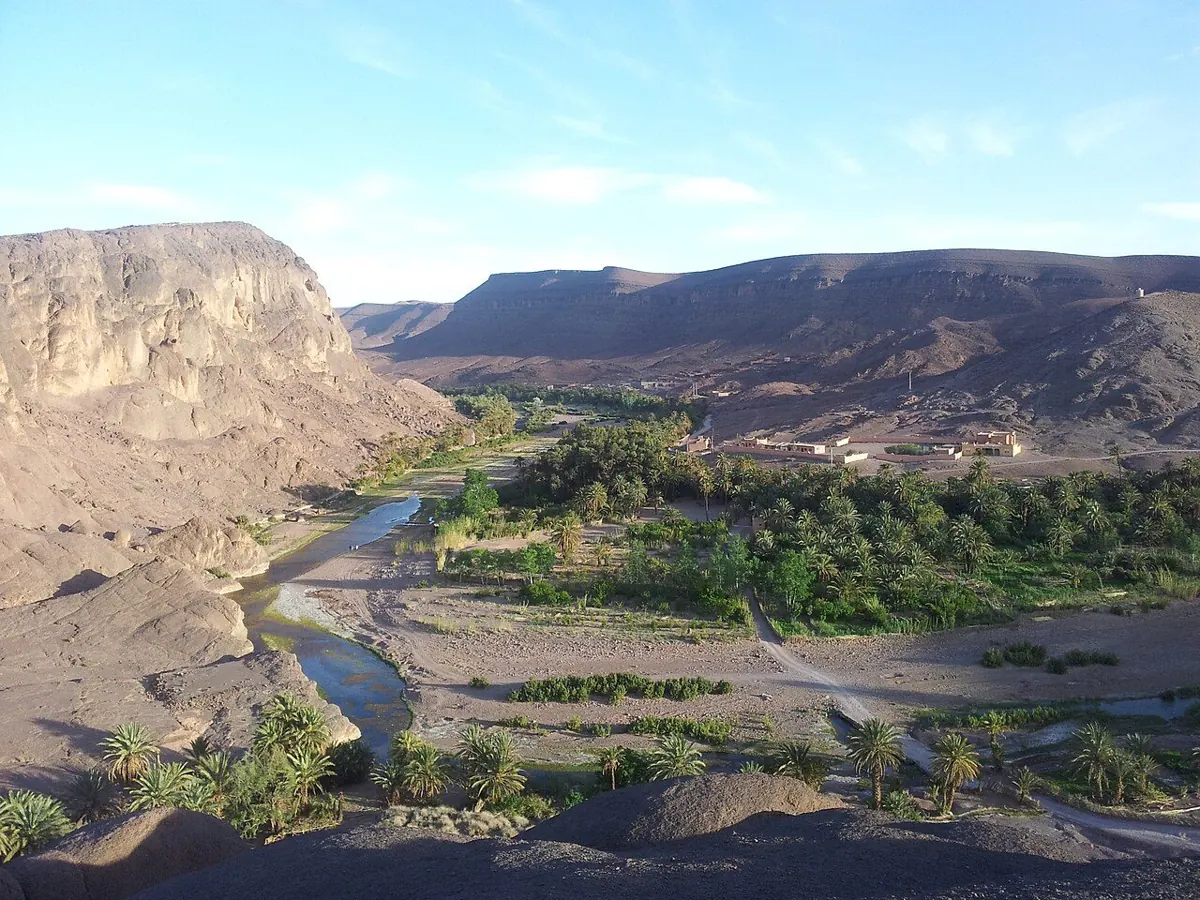
Fint Oasis offers a different visual language: palms and cultivated ground beneath a rocky backdrop. From a suitable public or guide-approved viewpoint, try arranging the frame in layers, with foreground texture, greenery in the middle distance and the surrounding rock beyond. A phone’s normal camera often gives a more natural result than an extreme wide-angle view.
Paths through an oasis connect homes and working plots. Arrange a local walk if you want to explore beyond an obvious visitor route, and keep clear of irrigation channels and crops. Avoid pushing contrast so far in editing that the palms and rocks lose their natural colours. The appeal is already in the landscape.
Film sets: photograph the illusion with context
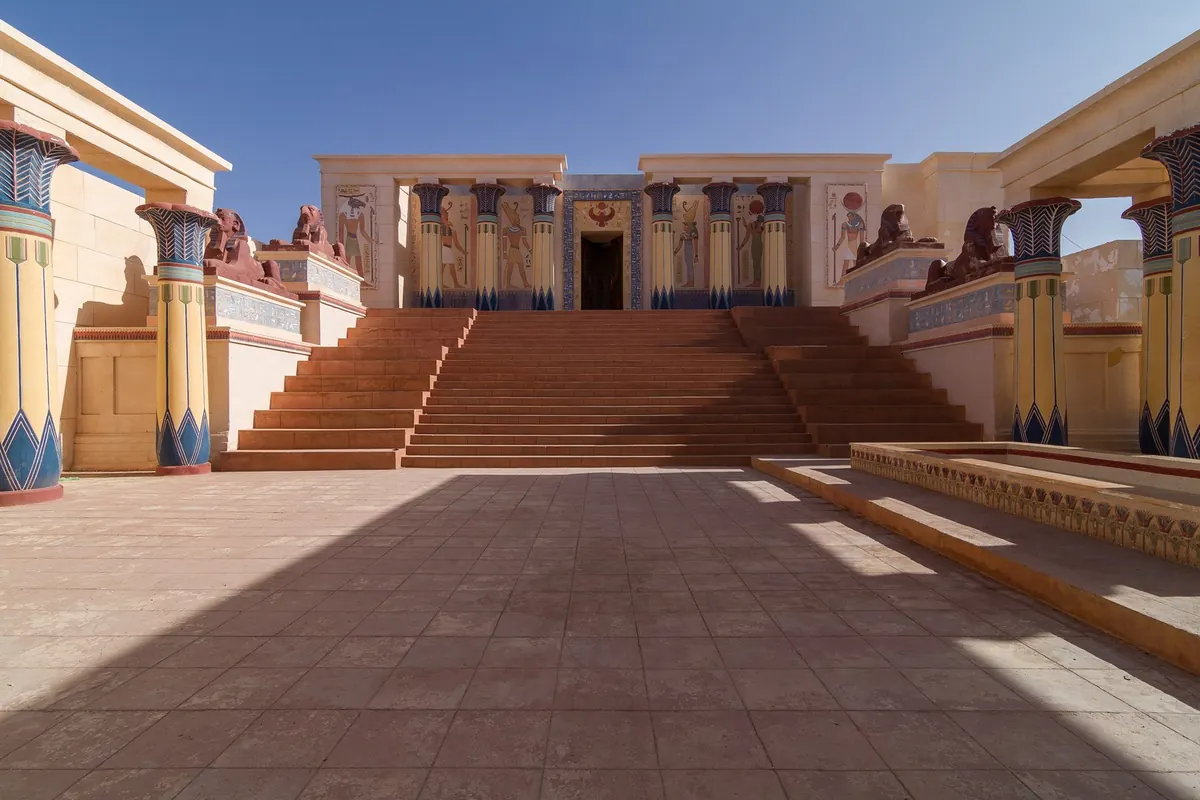
At Atlas Studios, strong lines and staged perspective can make architectural compositions especially rewarding. Ask which areas may be photographed and follow the guided route. The operator notes that filming can change the visitor itinerary, so choose the photographs around the tour available that day. Label a studio photograph as a film set when sharing it; its appeal comes from cinema craftsmanship.
Build your day around one main light window
Early and late daylight are useful creative starting points for bringing out wall textures and long shadows. Check the sunrise or sunset for your actual date, then match it to access and transport. An attractive sunset forecast is little use if a venue closes before you arrive. In stronger midday light, try tighter details and bold shadow shapes instead of forcing a wide landscape.
- City focus: Taourirt exteriors, a meal break and a confirmed studio visit.
- Valley focus: Aït Benhaddou, with time to explore a small number of compositions.
- Oasis focus: Fint, with a locally agreed walk and a return pickup.
- Carry a charged phone or camera, spare power, water and a cloth for dusty lenses.
Questions photographers often ask
Can I take good photographs in Ouarzazate with a phone?
Yes. Choose a clear subject, keep the horizon straight and change position to simplify the frame. Avoid excessive digital zoom and leave time to observe the light.
Can I combine all these locations in one photography day?
It is more rewarding to choose one main outing and a nearby second stop. Fint, Aït Benhaddou and the city require separate travel decisions; a crowded route reduces time for photography.
Continue planning with our two-day Ouarzazate itinerary. Research: UNESCO’s Ksar of Ait-Ben-Haddou listing and Atlas Studios’ visitor information. Photograph credits are provided below.
Photography: Fint Oasis — YOUSSEF.AIT.CHAIB, CC BY-SA 3.0. Ait Benhaddou — R Prazeres, CC BY-SA 4.0.
Updated: